

2026: The Dawn of Regenerative Medicine — Accelerating Cell Therapy and the Rise of iPSC Technology
In 2026, Taiwan’s Regenerative Medicine Dual Acts officially came into effect, marking a new stage in the development of the regenerative medicine industry. As advances in cell therapy, gene technologies, and biomaterials research continue to progress, the global medical and biotechnology sectors are accelerating the exploration of diverse applications in regenerative medicine.
Within this evolving industry landscape, induced pluripotent stem cell (iPSC) technology has gradually attracted significant attention from both academia and industry worldwide. Some biotechnology companies have introduced related technologies through collaborations with overseas research institutions and are actively investing in research and development.
MetaTech Biomed, through collaboration and patent licensing of Japanese iPSC technologies, has invested in cell-related research and is exploring a variety of iPSC-derived applications. These include emerging research directions that have received increasing attention in recent years, such as “i-ReMeta (iPSC-derived exosomes).”
As regulatory frameworks for regenerative medicine continue to be established, cell technologies and cell storage strategies have also become key topics of discussion in the fields of regenerative medicine and precision medicine.
Further Reading:
Ø What is the difference between i-ReMeta (super-exosomes) and other exosomes?
Outline:
1. A New Generation of Stem Cell Choices
2. 2026: The First Year of Regenerative Medicine — Accelerating Cell Therapy Technologies
3. iPSC Technology Expected to Become a Key Driver of Regenerative Medicine
A New Generation of Stem Cell Choices
In recent years, with the rapid development of biotechnology, regenerative medicine has increasingly been regarded as one of the most important directions for the next wave of medical innovation. The medical model is gradually shifting from a disease-centered approach toward precision medicine and personalized medicine, which emphasize individual differences.
Among these developments, cell therapy is widely recognized as a core technology of regenerative medicine. By harnessing the regenerative and reparative capabilities of cells, it offers new possibilities for diseases that have traditionally been difficult to treat using conventional medical methods.
According to statistics, as of 2025, there are already 115 clinical trials worldwide related to pluripotent stem cells, indicating that pluripotent stem cell technologies are gradually transitioning from the research stage to clinical applications1.
Among various cell technologies, pluripotent stem cells have received particular attention due to their remarkable differentiation potential. Compared with commonly used stem cell sources such as umbilical cord stem cells or adipose-derived stem cells, iPSCs (induced pluripotent stem cells) can differentiate into a wider range of cell types, including cardiomyocytes and neurons, expanding the potential scope of future medical applications.
As the regenerative medicine industry continues to mature, cell preservation has also gradually been regarded as a forward-looking health planning strategy. Stem cell storage is increasingly considered by individuals as part of long-term health management planning. One such emerging option that has gained attention in recent years is iPSC storage services.
Further Reading:
2026: The First Year of Regenerative Medicine — Accelerating Cell Therapy Technologies
Many industry observers consider 2026 to be a pivotal turning point for regenerative medicine in Taiwan. With the implementation of the Regenerative Medicine Act and the Regenerative Medicinal Products Act, Taiwan’s regenerative medicine and cell therapy industries are gradually establishing a more comprehensive regulatory framework.
These regulations clarify the processes for research and development, regulatory review, and commercialization of cell-based products. Through a conditional approval mechanism, regenerative medicine products with demonstrated safety and preliminary clinical efficacy may have the opportunity to enter clinical use more rapidly in the future, enabling patients to access emerging medical technologies earlier.
Internationally, regenerative medicine technologies are also making continuous breakthroughs. In March 2026, Japan’s Ministry of Health, Labour and Welfare granted conditional approval for two iPSC-based cell therapy products, marking some of the world’s first iPSC regenerative medicine products entering clinical application.
Among them:
-
ReHeart, an iPSC-derived cardiomyocyte sheet, offers a potential new treatment option for patients with ischemic heart disease.
-
Amchepry, developed for Parkinson’s disease, provides another possible therapeutic direction for neurodegenerative disorders.
These developments symbolize that iPSC technology is gradually moving from laboratory research toward real-world medical applications.
In Taiwan, the regenerative medicine industry has also continued to accumulate technological capabilities. MetaTech Biomed has long invested in cellular biotechnology research and development and has established Taiwan’s first PIC/S GMP-certified cell manufacturing facility, providing an internationally compliant foundation for cell production and quality management.
At the same time, MetaTech Group has also obtained licensed iPSC technologies from Japan, enabling stem cell sourcing methods that are no longer limited to neonatal umbilical cord tissue or adipose tissue. Instead, approximately 25 mL of peripheral blood can be used to establish a cell source, making cell storage and long-term health management planning more accessible and allowing more individuals to benefit from iPSC storage services.
Further Reading:
Ø MetaTech Biomed Opens a New Era of Regenerative Medicine with iPSC Technology
Ø Sumitomo Pharma Becomes the First in the World to Apply for Commercialization of iPSC Cell Therapy
iPSC Technology Expected to Become a Key Driver of Regenerative Medicine
With Taiwan’s official implementation of the Regenerative Medicine Dual Acts in 2026, the development of cell technologies and regenerative medicine has entered a new phase.
Within the global biotechnology industry, iPSC (induced pluripotent stem cells) are widely regarded as one of the most important research directions in regenerative medicine. By reprogramming human somatic cells into a pluripotent state similar to embryonic stem cells, iPSCs can further differentiate into various human cell types.
This characteristic gives iPSC technology significant application potential in cell therapies for cardiovascular diseases, neurodegenerative disorders, and tissue regeneration. As related technologies continue to mature, iPSCs are increasingly expected to become a key foundation for the future development of regenerative medicine.
In addition to direct cell-based therapies, exosomes have also become an important area of research in regenerative medicine in recent years. Exosomes are nano-sized vesicles secreted by cells that contain proteins, RNA, and signaling molecules capable of transmitting biological information between cells and regulating tissue repair and regeneration.
Exosomes derived from iPSCs are often referred to as i-ReMeta or “super-exosomes.” These vesicles contain richer and more diverse signaling molecules and demonstrate higher immunocompatibility.
As research continues to advance, iPSC-derived exosomes (i-ReMeta, super-exosomes) is increasingly viewed as one of the next important developments following iPSC-based cell therapies, showing promising potential in regenerative medicine and cellular biotechnology.
Against this industry backdrop, MetaTech Biomed continues to invest in research and industrial development related to iPSC technology, i-ReMeta, and exosomes. Through its cellular technology platforms and international collaborations, the company is exploring diverse possibilities in regenerative medicine, cell therapy, and biotechnology applications.
As regenerative medical technologies continue to evolve, the integration of iPSC technology and i-ReMeta research may open new pathways for future developments in medical and health technologies.
Further Reading:
Ø What Are Taiwan’s Regenerative Medicine Acts?
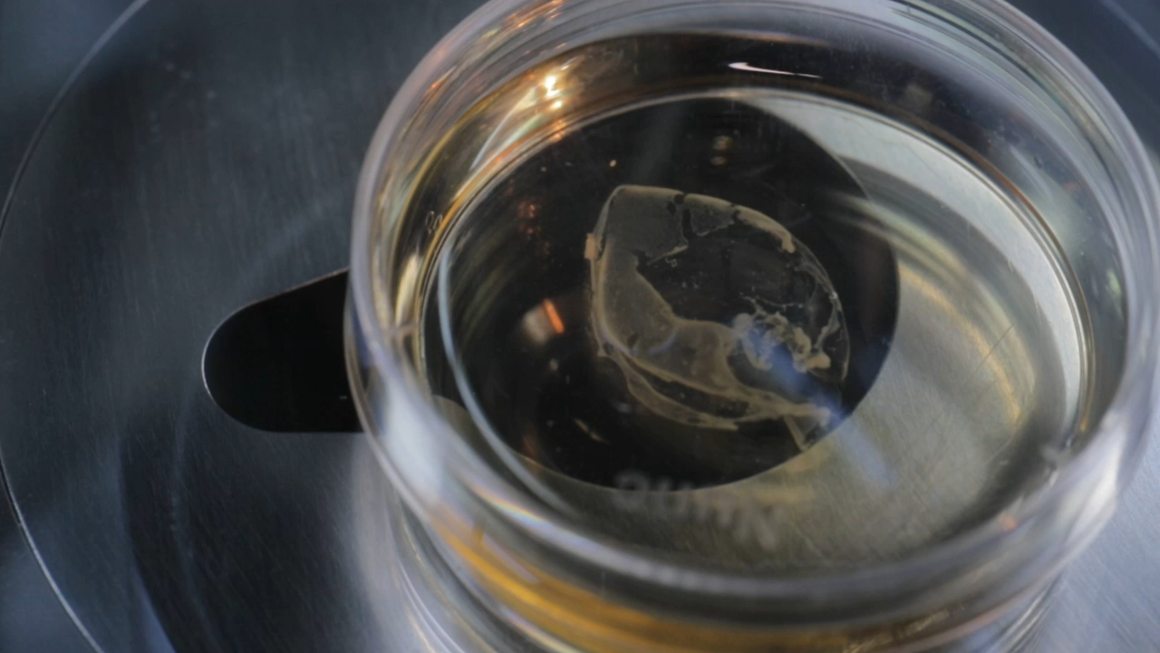
iPSC Cardiomyocyte Sheet:
Cardiac muscle cells differentiated from induced pluripotent stem cells (iPSCs) and assembled into a cardiomyocyte sheet.
References:
1. Kirkeby A, Main H, Carpenter M. Pluripotent stem-cell-derived therapies in clinical trial: A 2025 update. Cell Stem Cell. 2025;32(1):10-37. doi:10.1016/j.stem.2024.12.005

